
A Note from the Founder
I bring 10+ years of research and design experience across philanthropy, government, education, and international development. The select projects below represent how I work with organizations to help them connect more deeply with the communities they serve.
— Keara
Case Studies
Case Study 01
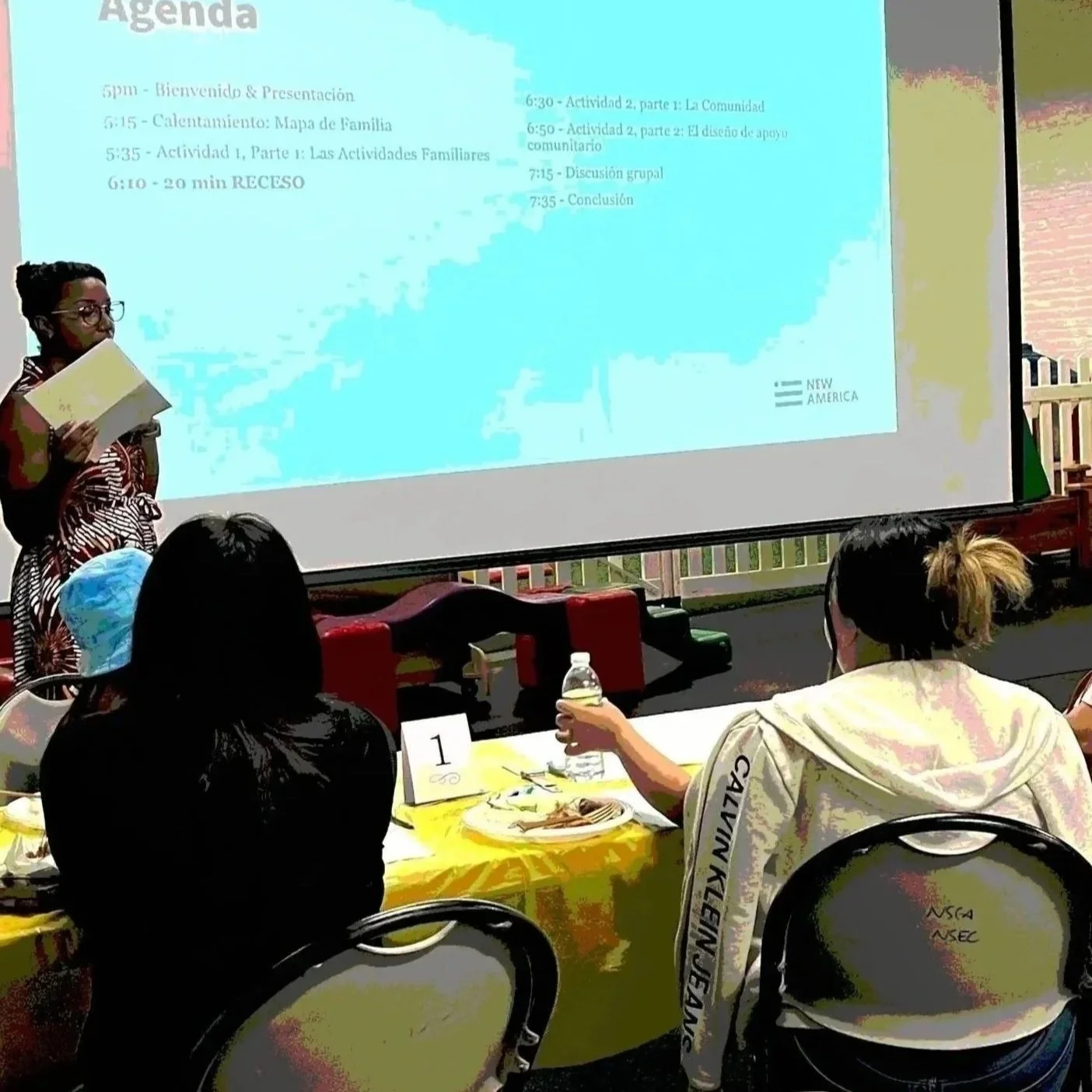
Family research used to advance policy and inform child-care redesign
Keara provided trauma-informed research design, workshop facilitation, and protocols for engaging low-tech and vulnerable participants in a multiyear study of how families across rural and urban U.S. communities navigate care, safety, and stability.
Impact
The research approach was studied by other civic-tech and human-centered government organizations, used to advocate for family policy in government hearings, and helped lay the foundation for a national survey informing New York’s child-care redesign.
Case Study 02
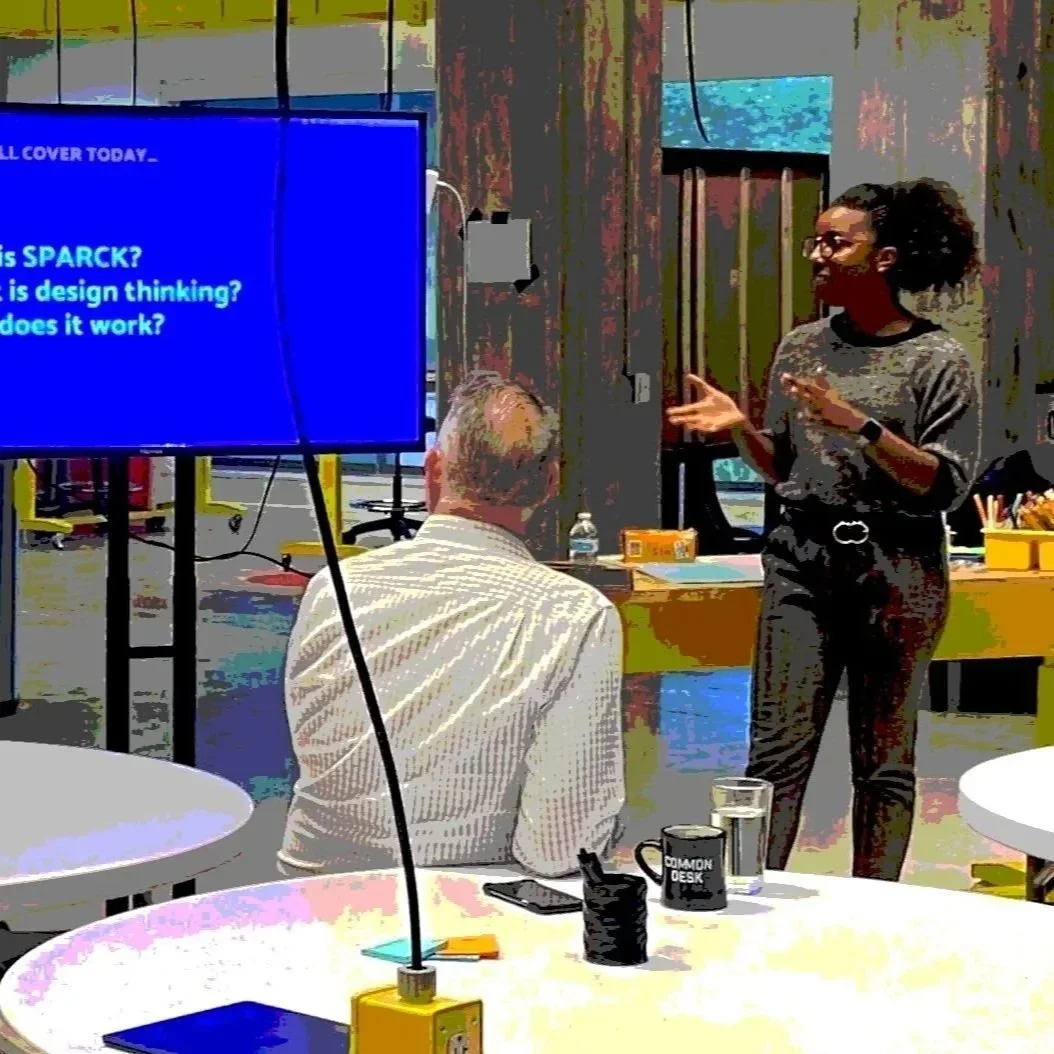
A school district expanded language access across 12 home languages
Keara designed and led the research strategy, engaging district leaders, educators, administrators, and families to understand where language access was and was not working.
Impact
Based on discovered insight from the research engagement, the district added Farsi and Pashto to standard family communications, selected a multilingual platform supporting all 12 languages spoken at home, and approved a budget for proactive interpretation services.
Case Study 03
Research team changed its strategy to include overlooked perspectives
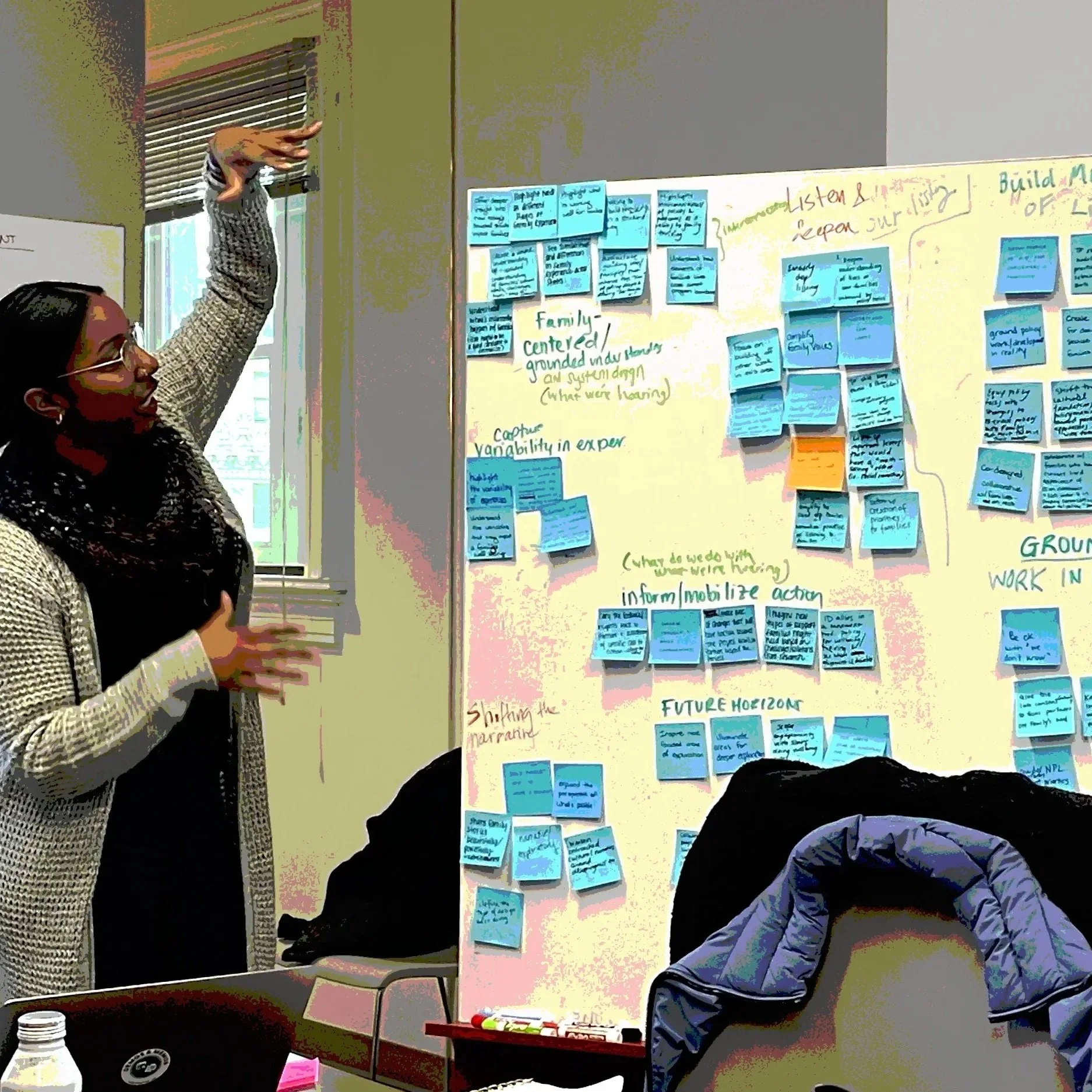
Keara designed and facilitated workshops on positionality, bias, and reflexivity for a social-innovation design team.
Impact
The workshops helped the team identify where its own assumptions were shaping the research narrative and revise its strategy to intentionally include family perspectives that had been overlooked. The team later invited Keara to repeat the workshop for government partners.
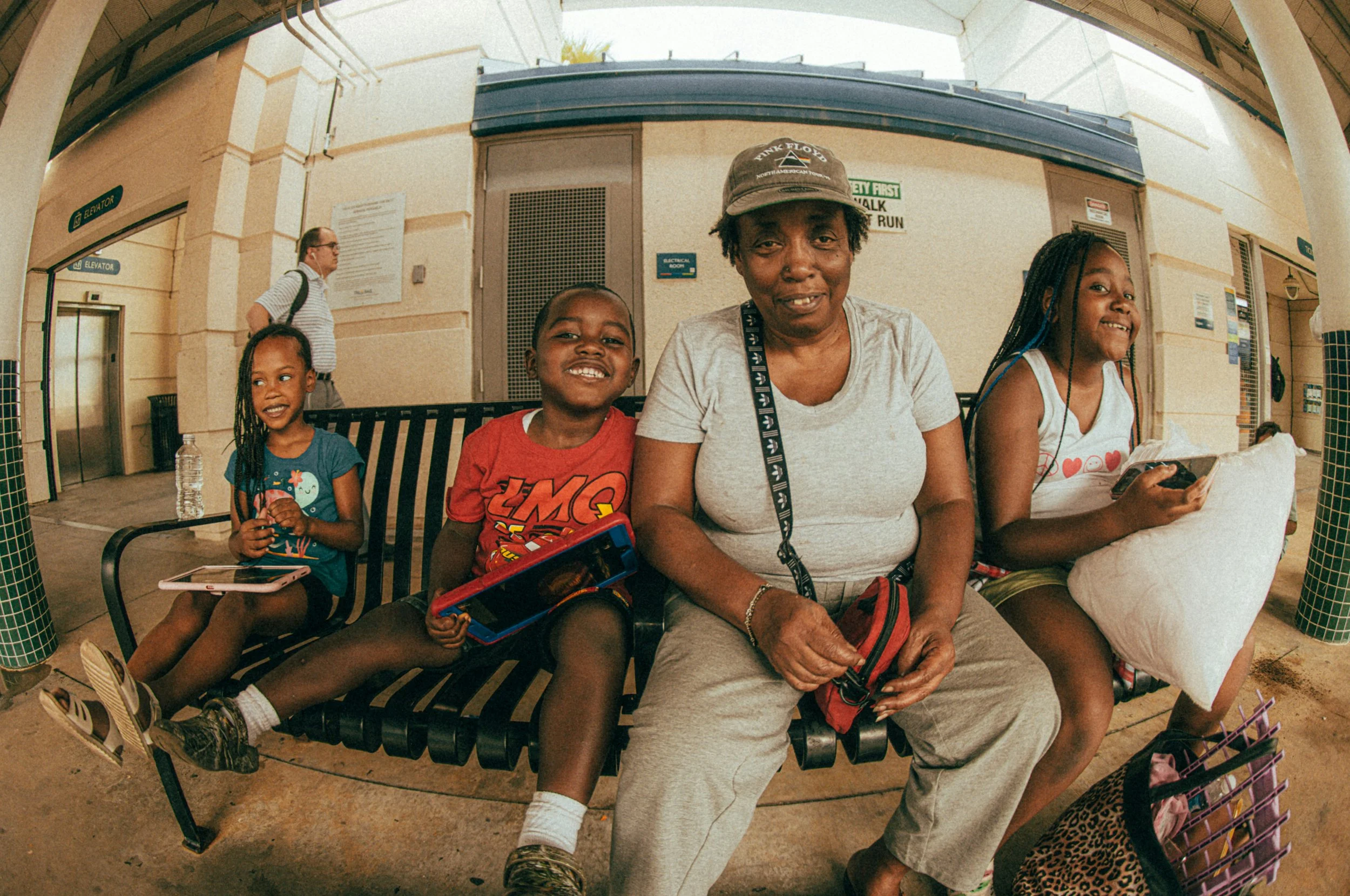
Is your community research leading to change?
The projects above began with more than a goal to gather insight. They created a clear connection between what communities shared and what organizations did next.
Take the Listening-to-Action Assessment to see where your current approach is strong—and where community input may be losing influence.